It was out a while ago. But reading it is still, well, astounding:
Nature’s 10
A fired public-health official, a mosquito breeder and a baby with a smile seen around the world. These are just a few of the remarkable people chosen for Nature’s 10.
The Nature’s 10 list recognizes important scientific trends and discoveries over the course of a year and tells the stories of the people involved. It is compiled by Nature’s editors to highlight some of the most influential research and important developments shaping our world. This year’s selection acknowledges scientists peering into the farthest reaches of the Universe and the deepest depths of the ocean, as well as a civil servant who stood up for evidence-based public-health policy amid a vast upheaval in the United States.
ALL are impressive. But since I’m no longer in biology after high school, here’s what caught my eyes:
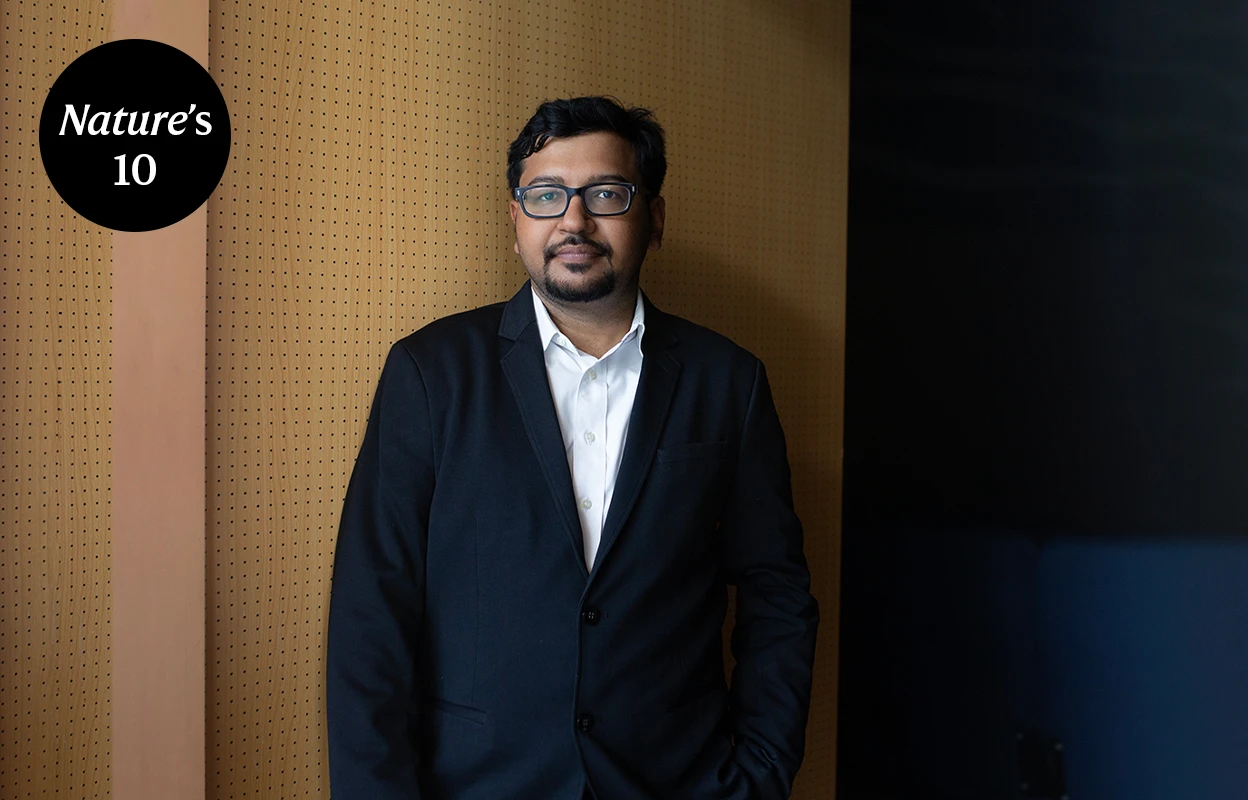
👀 Credit: Bhumika Bhatia for Nature. I don’t own copyright
Achal Agrawal: The scientist called out Indian universities’ retraction rates, despite personal costs
read here
Who says incentive doesn’t matter?
…Agrawal left his university job a month later and has since dedicated his time to raising awareness about research-integrity breaches in India. This unpaid work has placed him at the centre of the nation’s conversation about academic incentives.
This year, Agrawal’s efforts, as well as those of others, contributed to a landmark policy change in how higher-education institutions in India are ranked. In August, the Indian government announced that the National Institutional Ranking Framework (NIRF), which assesses universities yearly and influences their eligibility for some grant schemes, will penalize institutions if a considerable number of papers published by their researchers has been retracted. The move — a first for such a ranking system — aims to combat unethical practices. Some institutions have already had marks deducted from their current scores, and penalties are expected to be more stringent next year. “I was really happy that day,” Agrawal says.
Previous rankings rewarded high publication counts no matter the quality. “He is on a mission to demonstrate that the wrong metrics are being targeted,” says Matt Spick, a biomedical scientist at the University of Surrey in Guildford, UK.