I cannot help but feel a little jealous of CSO patrons from 2010 to 2023. The Muti years is a golden chapter in the orchestra’s history, crowned by performances that critics and audiences alike placed among the finest of their time. His recording of Verdi’s Messa da Requiem with the CSO and Chorus even carried home two Grammy Awards in 2011.
The maestro returned in March 2026 for a three-night program filled with to Italian opera treats. Something special was about to happen.
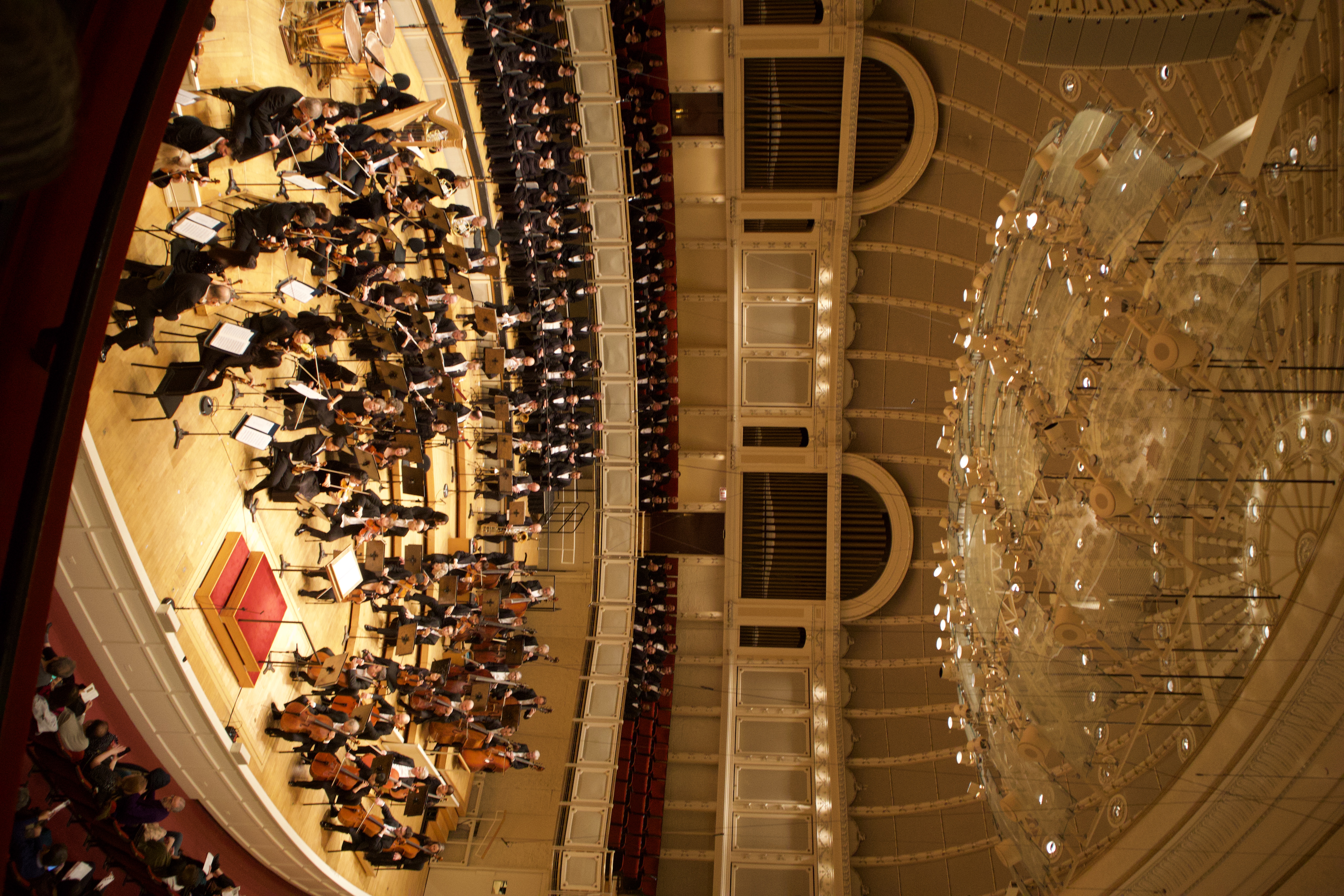
The chorus seated, the hall filled quickly. Pecisely on time, Muti lifted his baton and the evening opened with the Sinfonia to Verdi’s La battaglia di Legnano. It burst forth with brilliance and clarity — Verdi on a grand canvas. The following Prelude to I masnadieri contrasted a long, lyrical meditation built around a haunting solo cello line.
Watching Muti conduct reminds one that a conductor’s artistry comes in two intertwined forms. First is musical insight — the ability to understand a score deeply enough to reveal its inner logic and poetry. The second is leadership. Eighty musicians sit before the podium; they must breathe, phrase, and move together as a single organism.
Muti possesses both in abundance.
The Chicago Symphony clearly adores him: strings taper phrases to a whisper, winds shape lines with vocal elegance, and every gesture from the podium seems instantly understood. The musicians follow him with near-religious devotion, producing some of the most delicate diminuendos I’ve ever heard.
Sing and speak
If Verdi is the repertoire where Muti stands most completely at home, this evening proved why.
The first guest soloist was tenor Francesco Meli, singing Giordano’s “Amor ti vieta” from Fedora. The aria lasts barely two minutes, but that was enough to the the first arc of the night — Meli made the most of it. His voice emerged bright, penetrating, and warm — the sort of tone that fills the hall without strain. When he sang the opening phrase, an audible gasp rippled through the audience.
Muti seemed delighted. On the podium he behaved like a master chef carefully seasoning a dish: thinning the orchestral texture when the tenor needed space, strengthening the accompaniment when drama demanded it. At the end of the aria the conductor and singer exchanged lasting look of quiet triumph.
But the evening’s most theatrical moment did not come from the score. Just before the next aria, with soprano Lidia Fridman waiting patiently on stage, Muti suddenly turned toward the audience. Late arrivals were still trickling into the hall. The maestro paused — visibly irritated — and delivered a brief reprimand.
The musicians, he reminded us, had already been seated for half an hour before the show. At the airport you arrive early. A concert, he said firmly, should be treated with the same respect.
We don’t entertain. We try to make you richer, spiritually and culturally.
The line that landed with unmistakable gravity: only Muti could say something like that and make the room accept it without protest.
The concert resumed. Fridman sang Catalani’s famous aria “Ebben?… Ne andrò lontana” from La Wally, the heroine’s vow to leave her homeland rather than submit to fate. The aria is expansive and emotionally exposed, and coming immediately after Meli’s dazzling appearance was perhaps an unfortunate placement. Fridman’s voice sounded somewhat smaller that evening, though her stage presence and elegance were undeniable.
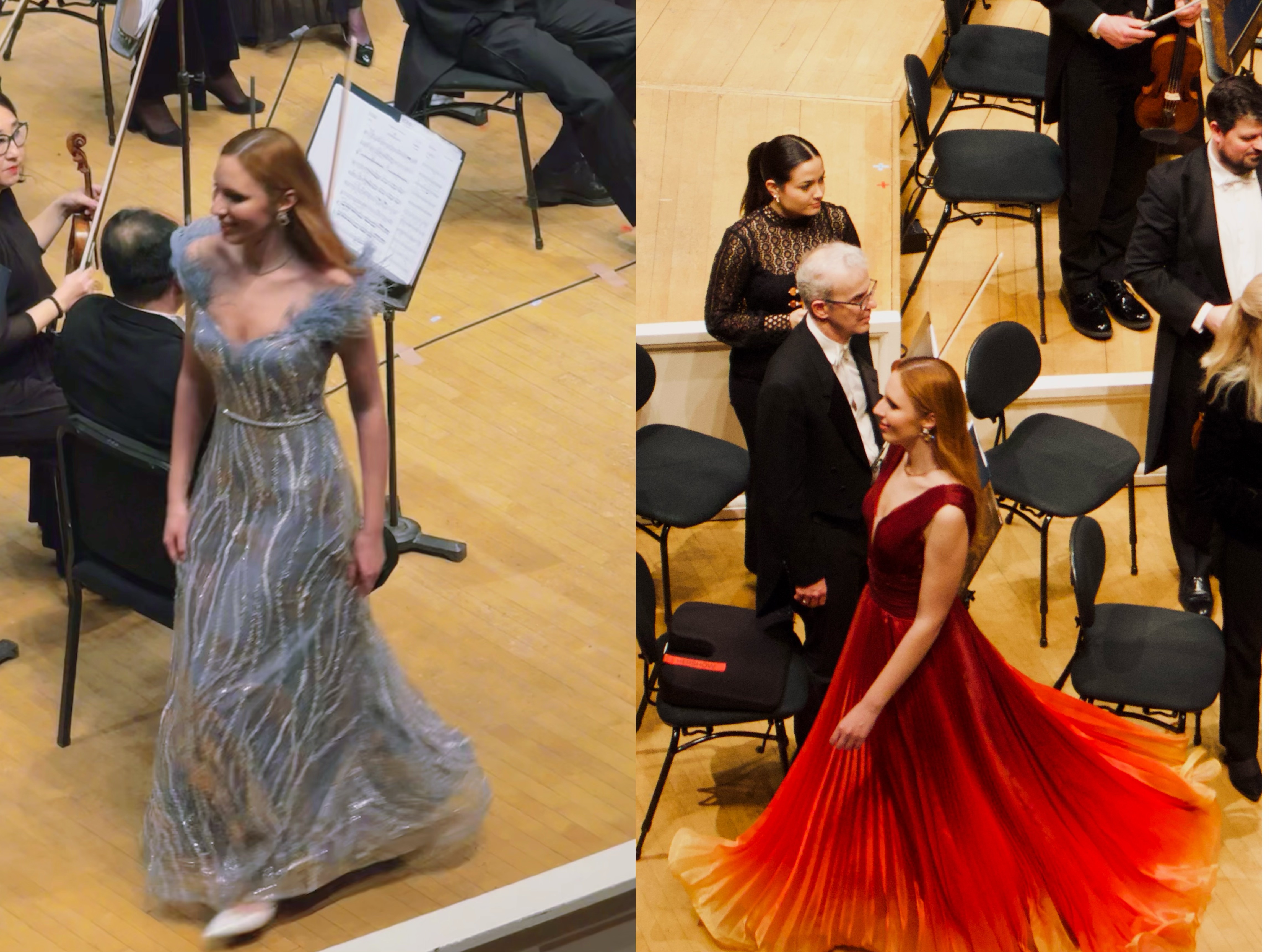
Best attire award!!!!!
Then came the chorus.
When Riccardo Muti stands before the Chicago Symphony Chorus, one understands why critics have called the partnership a kind of musical dream team. With a small, almost ceremonial gesture, he raised his arms and the chorus rose in unison. It’s like liturgy.
The first half closed with the overture to Nabucco and the immortal chorus “Va, pensiero.” Here Muti looked entirely at home. His customary podium vitality returned: cues darted between strings and woodwinds, brass entered like flashes of sunlight, and the chorus unfurled Verdi’s great melody with dignity and warmth. After intermission, there was Act IV from Puccini’s Manon Lescaut. The orchestra showed the rare ability to support singers without overwhelming them. I do think many orchestras play Puccini too thickly. But Muti understands the balance perfectly and his led the orchestra to breath with the singers, you hear long lines and dramas and the heart of the music.
The crowd that had earlier been scolded by the maestro behaved impeccably for the rest of the evening. Programs opened, pages turned in unison, and listeners followed the printed text with near scholarly focus. Chicago audiences, it seems, are capable of very good manners when properly instructed.
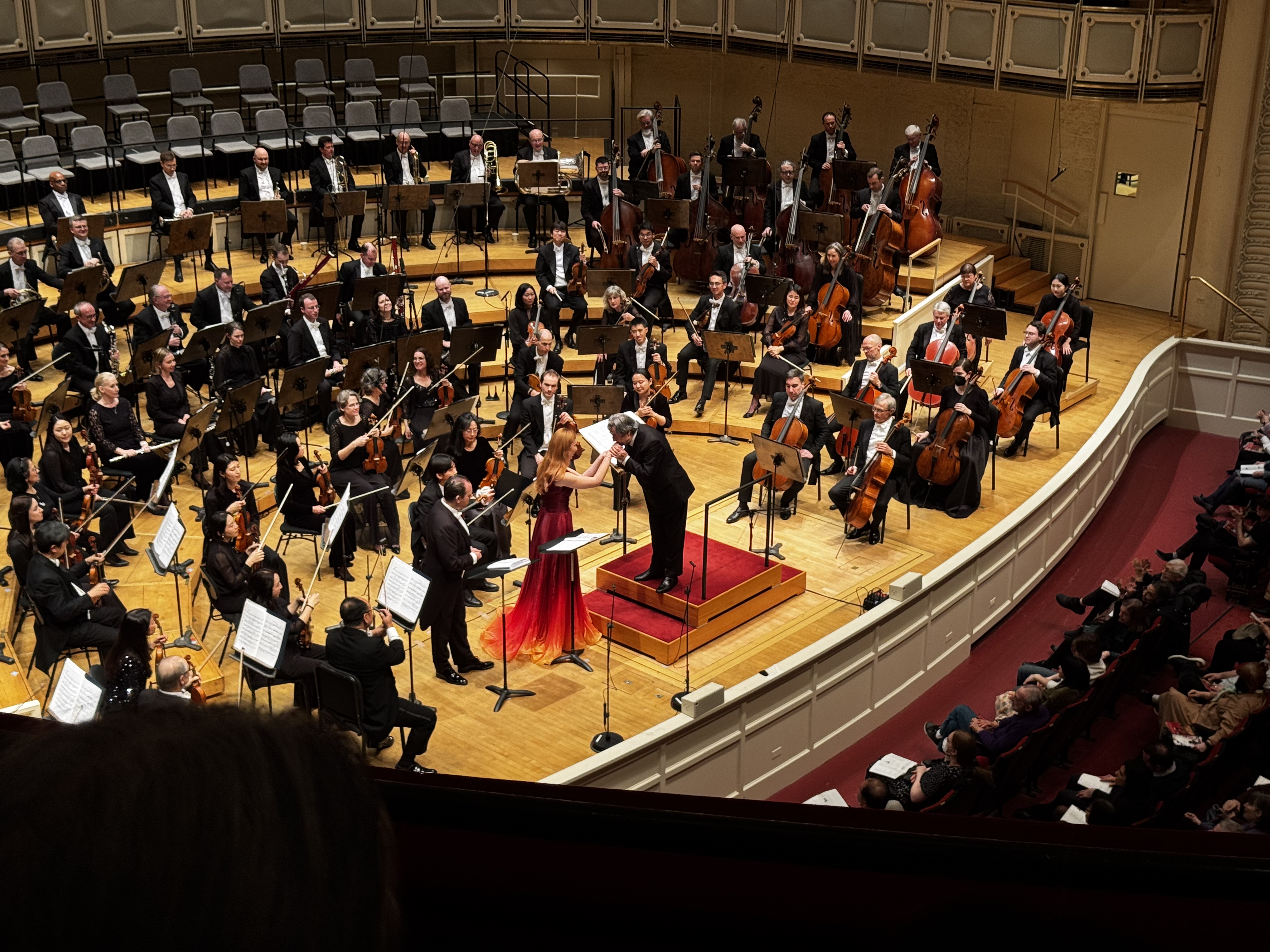
If only every night at Symphony Center carried this kind of magic.