shake ads: innovatively malfunctioning market
A classic example when the model works fine but the real market gets fucked up with misaligned incentives.
A classic example when the model works fine but the real market gets fucked up with misaligned incentives.
Ariana Grande’s new album drops on March 8th (Yep that’s International Women’s Day. Coincidence? I think not). The album’s titled “eternal sunshine”, a shoutout to the 2004 movie Eternal Sunshine of the Spotless Mind directed by Michel Gondry and starring Jim Carrey and Kate Winslet. This film, a favorite among critics, explores the complexities of memory and identity, themes that often echo in Grande’s work. Grande’s well-known admiration for Carrey, whom she famously termed as her “first celebrity crush” on The Tonight Show, is more than a fangirl moment. The connection to themes of existentialism and nihilism can be traced back to “Sweetener,” Grande’s previous album, that already hinted at this philosophical depth. The album juxtaposed light, sweet pop with undertones of resilience and the search for meaning in chaos – almost a nod to existentialism’s core tenets. Now, with “eternal sunshine,” it seems Grande is diving deeper into these complex waters. ...
Hello??? Do your cookies and preference estimates even know me?
Here’s an interesting line I read recently: When you speak, your words should be more valuable than your silence. – Lin’s Comics. from 01/15/2024 of Lin’s Comics Calender.
The world of football once again witnessed a momentous occasion as Lionel Messi clinched The Best FIFA Men’s Player award, while Pep Guardiola was honored as the best coach. As a fervent admirer of both figures, this dual triumph resonates deeply with me, offering a blend of joy and professional intrigue. CONGRATULATIONS! This recent accolade for Messi isn’t just a testament to his unparalleled skill on the field: the Ballon d’Or, a topic I’ve previously touched upon (see my earlier post), serves as a prime example of this intersection between sports and economics - just look into its voting mechanism and there would be highly interesting network patterns and bias and randomness. ...
I’m not a fan of Huawei phones or HarmonyOS, but my dad is. Like, he’s basically part of Huawei’s loyal customer base: middle-aged, well-off supporter with two phones and steady demand. Thanks to their stan-like support, the Huawei Mate60 is often out of stock. Last weekend, we were at Sam’s for grocery but it sells pretty much everything as well. My dad rushed to the Huawei counter to check on the Mate60. As expected, it was out of stock. The clerk mentioned a possible restock next week, but with limited options. ...
Meet SHERLOCK, my machine learning final project output…
This is a trailor of SHERLOCK - my machine learning final project. I’ve really been obsessively perfecting my final course thesis (as we’ve talked about it before here). Though immensely energy and time consuming, they’re just for fun but I’m proud of them for their beauty. and the result is pretty nice as well. Abstract We introduce SHERLOCK, an innovative machine learning model designed to differentiate human-written code from AI-generated code in educational settings. By combining perturbation analysis with advanced machine learning, SHERLOCK significantly outperforms existing detection techniques, achieving a precision rate over 0.8 and a model score beyond 0.75. Our contribution addresses a critical need in maintaining academic integrity in programming courses amidst the rise of AI coding tools, marking an interesting direction to the field of AI-generated content detection. ...
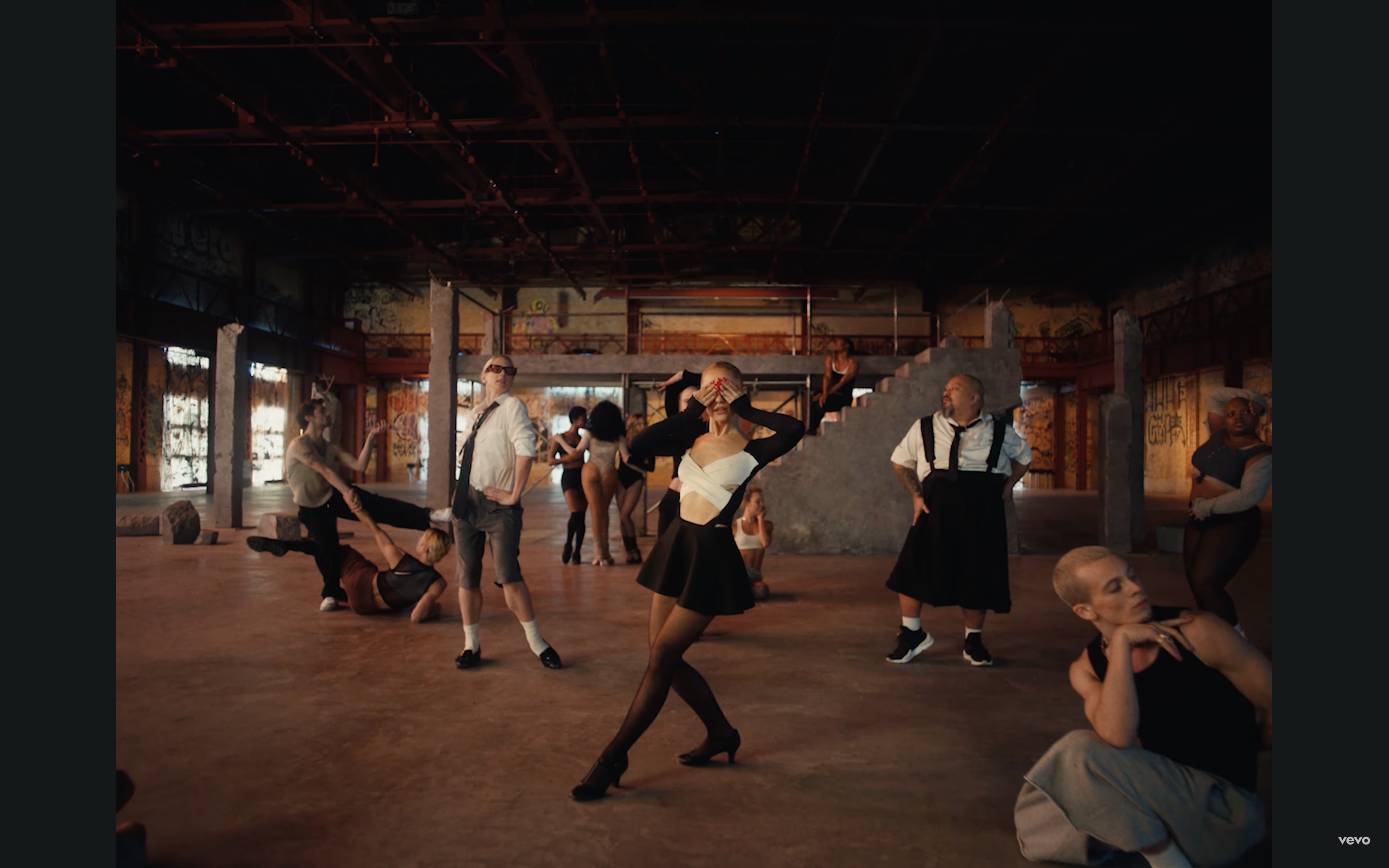
It’d be cool to use the opening lyrics of Ariana Grande’s 7th album lead single yes, and to be a title. And, in case you haven’t noticed, the music video is out today and it’s next level. You’ll just love it. And there’s a really cool rap cover version. Well, similar people attracts and us Arianators are as gifted and brilliant as usual. ‘i read it on the internet so it much be true’, ‘her ponytails looks better when it was a few cms higher’, ‘i mean who cares if she’s happy. i don’t want happy. i want art (rolling eyes).’, and look how ironic it is that for the main theme this single is displaying, YouTube is recommending one of those ‘mean comment’ videos right after. ...
On the day trip to HangZhou, spending a day of void in the mountains, it’s like mindfulness refilled. Drop the obsession, problems would be gone.